AUV vs ROV: การเลือกยานใต้น้ำที่เหมาะสมสำหรับโครงการสำรวจ
News Details
การเลือกยานใต้น้ำที่เหมาะสมสามารถส่งผลโดยตรงต่อคุณภาพการสำรวจ เวลาโครงการ ค่าใช้จ่ายในการทำงาน และการรวบรวมข้อมูล สำหรับทีมสำรวจทางทะเลหลายแห่ง การเลือกจะกลายเป็น autonomous underwater vehicle (AUV) หรือ remotely operated vehicle (ROV)
ทั้งสอง都是ระบบใต้น้ำไร้คนขับ แต่ทำงานด้วยวิธีที่แตกต่างกันมาก AUV สามารถปฏิบัติภารกิจที่วางแผนไว้ด้วยการป้อนข้อมูลจากผู้ปฏิบัติงานที่จำกัด ในทางตรงกันข้าม ROV มีการเชื่อมต่อกับระบบควบคุมบนผิวน้ำและถูกควบคุมโดยนักบินแบบเรียลไทม์
那么哪一个更适合您的项目呢?
คำตอบขึ้นอยู่กับพื้นที่สำรวจ ความลึกของน้ำ ข้อมูลที่ต้องการ งานตรวจสอบ และระดับควบคุมของมนุษย์ที่จำเป็น การเปรียบเทียบ AUV vs ROV นี้อธิบายความแตกต่างหลักและช่วยให้ทีมโครงการตัดสินใจอย่างเป็นประโยชน์
What Is an Autonomous Underwater Vehicle?
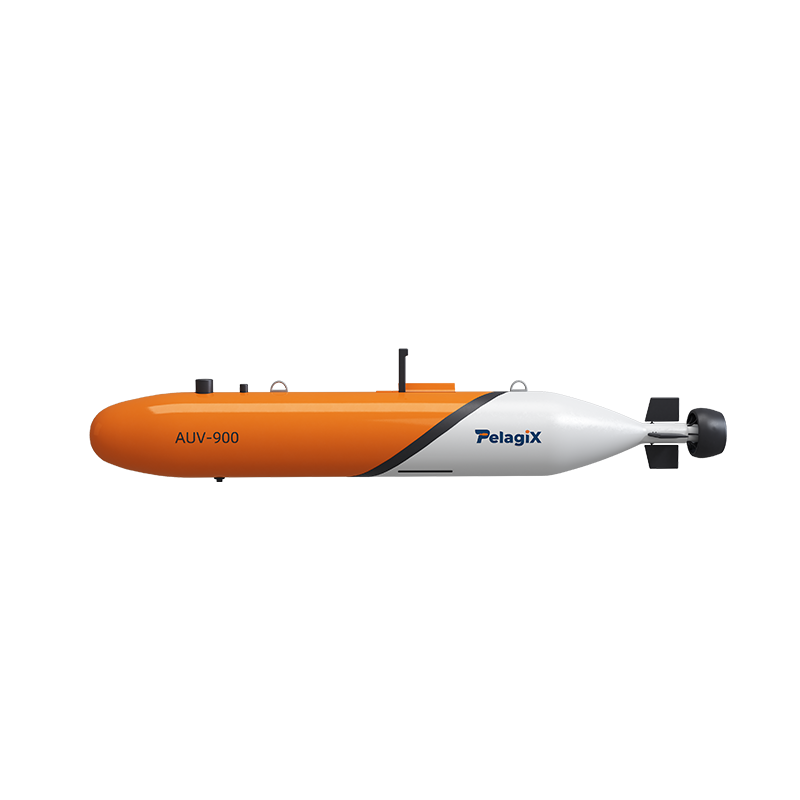
An autonomous underwater vehicle เป็นแพลตฟอร์มใต้น้ำไร้คนขับที่ออกแบบมาเพื่อทำงานด้วยระดับความอิสระสูง ก่อนการปล่อยใช้งาน ผู้ปฏิบัติงานสามารถกำหนดเส้นทางภารกิจ พื้นที่สำรวจ ความลึกในการทำงาน และพารามิเตอร์อื่นๆ
Once underwater, the AUV uses navigation sensors and onboard control systems to follow its planned mission. Depending on the system and payload, it can collect information such as images, sonar data, depth measurements, and other survey data.
AUVs are especially useful when a project requires systematic coverage of a large underwater area. They can travel without a physical connection to a surface vessel, which allows them to move efficiently through open water.
For example, PALEGIX offers AUV systems designed for applications including deep-sea exploration, marine engineering surveys, seabed mapping, underwater inspection, and scientific research.
What Is a Remotely Operated Vehicle?
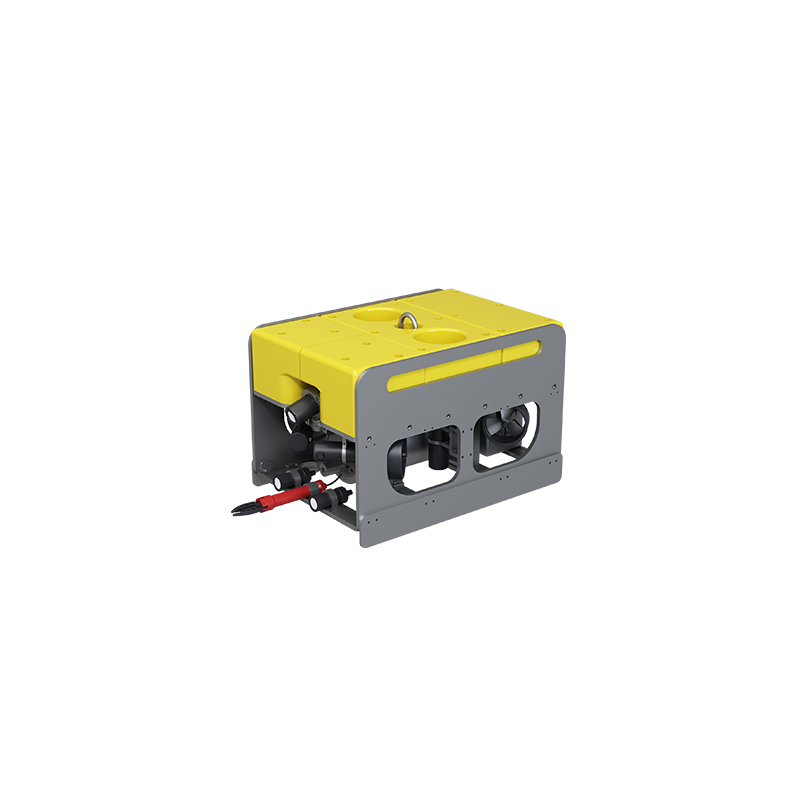
A remotely operated vehicle (ROV) ถูกควบคุมโดยผู้ปฏิบัติงานจากผิวน้ำ ยานมักจะเชื่อมต่อกับระบบบนผิวน้ำผ่านสายเชื่อม (tether) ที่ส่งพลังงาน สัญญาณควบคุม และข้อมูล
Because the operator can see live information and control the vehicle directly, an ROV is well suited to inspection and intervention work. The pilot can change direction, adjust position, approach a target, and respond to changing underwater conditions in real time.
ROVs are commonly used for underwater inspection, environmental monitoring, infrastructure checks, and subsea maintenance.
PALEGIX provides ROV systems for applications such as oceanographic research, dam inspection, environmental monitoring, and light pipeline maintenance.
AUV vs ROV: Key Differences
The most important difference between an AUV and an ROV is how the vehicle is controlled.
| Feature | AUV | ROV |
|---|---|---|
| Control | อิสระหรือตามภารกิจ | ถูกควบคุมโดยผู้ปฏิบัติงานโดยตรง |
| Surface connection | ไม่จำเป็นต้องมีสายเชื่อมอย่างต่อเนื่อง | เชื่อมต่อด้วยสายเชื่อม |
| Best for | สำรวจพื้นที่และทำแผนที่ | ตรวจสอบและการแทรกแซง |
| Operator involvement | ต่ำขณะทำภารกิจ | ต่อเนื่องหรือบ่อยครั้ง |
| Mobility | สูงสำหรับภารกิจในน้ำเปิด | จำกัดโดยการจัดการสายเชื่อม |
| Real-time control | จำกัดมากขึ้น | strong |
| Survey coverage | มีประสิทธิภาพสำหรับพื้นที่ขนาดใหญ่ | ดีกว่าสำหรับพื้นที่เป้าหมาย |
| Typical tasks | ทำแผนที่ สำรวจ การรวบรวมข้อมูล | ตรวจสอบ สังเกต การบำรุงรักษา |
However, this does not mean one system is always better than the other. Instead, each vehicle is designed around different operating needs.
When Should You Choose an AUV?
An AUV is often the better choice when the main goal is collecting survey data across a large area.
For example, consider a seabed mapping project that covers several square kilometers. An AUV can follow predefined survey lines and collect data across the target area. Since it does not need a continuous tether, it can move more freely.
An AUV can be a strong option when your project requires:
-
Large-area seabed mapping
-
Marine engineering surveys
-
Deep-sea exploration
-
Repeated survey missions
-
Scientific research
-
Autonomous data collection
-
Reduced dependence on continuous surface control
AUVs can also be useful when consistent survey paths are important. A planned mission allows the vehicle to follow defined routes and collect data in a repeatable way.
For projects that involve long survey lines or large areas, this can improve operational efficiency.
When Should You Choose an ROV?
An ROV is generally more suitable when the operator needs to observe and control the vehicle in real time.
For example, if the project involves inspecting a subsea structure, the operator may need to move closer to a specific area, change the viewing angle, or investigate an unexpected object.
An ROV can be a better choice for:
-
Underwater structure inspection
-
Dam inspection
-
Pipeline inspection
-
Environmental monitoring
-
Subsea observation
-
Targeted maintenance
-
Operations that require direct operator control
The tether also provides a practical advantage. It can support continuous communication and power between the surface system and the vehicle.
Therefore, when real-time decision-making is more important than autonomous coverage, an ROV can provide greater operational control.
UUV Comparison: Which Factors Matter Most?
A practical UUV comparison should go beyond the basic difference between autonomous and remotely operated systems.
Survey Area
First, consider the size of the area you need to cover.
For broad survey areas, an AUV can provide efficient mission-based coverage. For a small or highly targeted inspection area, an ROV may be more practical.
Depth Requirements
Next, check the required operating depth.
The vehicle's rated depth must match the actual survey environment. For example, PALEGIX offers different vehicle platforms for different depth requirements, including AUV systems designed for deep-sea applications and ROV systems for shallower subsea operations.
Therefore, depth should be one of the first specifications reviewed during vehicle selection.
Data and Payloads
Your sensor and payload requirements also matter.
Different projects may require cameras, sonar systems, navigation sensors, or other specialized equipment. A modular vehicle platform can make it easier to configure the system around a specific survey task.
For this reason, buyers should evaluate not only the vehicle itself but also its payload capacity, available interfaces, and integration options.
Level of Operator Control
Ask how much direct control your team needs.
If the vehicle must react immediately to what the operator sees underwater, an ROV is often the more suitable choice. If the mission can be planned in advance, an AUV may provide greater autonomy and operational flexibility.
Mission Duration and Logistics
Finally, consider how the vehicle will be deployed, recovered, powered, monitored, and maintained.
An AUV and an ROV have different support requirements. The choice should therefore include the complete operating process rather than the vehicle alone.
Can AUVs and ROVs Be Used Together?
Yes. In some complex marine projects, AUVs and ROVs can complement each other.
For example, an AUV can first conduct a broad survey and identify areas that require closer inspection. An ROV can then be deployed to investigate selected targets in greater detail.
This approach combines the wide-area survey capability of an AUV with the real-time control of an ROV.
As underwater robotics becomes more capable, systems such as autonomous navigation, underwater target recognition, docking, and multi-AUV coordination can further expand the role of unmanned underwater vehicles.
How to Choose Between AUV and ROV
A simple decision process can help:
Choose an AUV when:
-
You need to survey a large area.
-
The mission can be planned in advance.
-
Autonomous operation is important.
-
You need consistent survey routes.
-
The main goal is data collection and mapping.
Choose an ROV when:
-
You need direct operator control.
-
Real-time video or observation is important.
-
The target area is relatively specific.
-
The project involves inspection or intervention.
-
The vehicle may need to respond quickly to changing conditions.
If your project includes both large-area mapping and detailed inspection, using both platforms may be the most effective solution.
Choose the Right Underwater Vehicle for Your Project
There is no universal winner in an AUV vs ROV comparison. The right choice depends on what you need the vehicle to do.
An AUV is generally suited to autonomous surveys, seabed mapping, exploration, and large-area data collection. An ROV is better suited to real-time inspection, observation, and tasks that require continuous operator control.
PALEGIX develops and supplies AUV and ROV systems, along with core components, software systems, AI-based underwater technologies, and engineering services. Its product portfolio includes autonomous underwater vehicles and remotely operated vehicles designed for different underwater operating requirements.
Before selecting a system, define your survey area, depth, payload, data requirements, control needs, and deployment conditions. With these factors clearly defined, you can choose an underwater vehicle that fits the actual demands of your project.
For project-specific vehicle selection, system configuration, or engineering cooperation, contact the PALEGIX team to discuss your requirements.


 และยานใต้น้ำควบคุมระยะไกล (ROV) | ระบบขับเคลื่อนและเซ็นเซอร์ใต้น้ำ)


